
Growing, planting and promoting
Florida native plants for sustainable landscapes.
Gardeners & Homeowners Florida native plants for sustainable landscapes.
Visit PlantRealFlorida.org
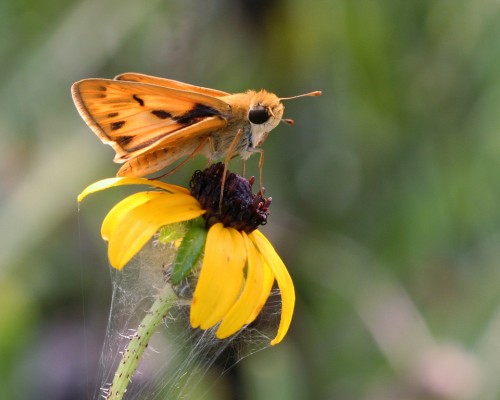 Fiery Skipper on Florida native Blackeyed Susan. Many Rudbeckias, and cultivars and hybrids of them, are available in the horticultural marketplace. Florida residents are served best when the native ecotypes are planted. These thrive in our humidity and nutrient-poor soils.
 Buyer, beware! Want your landscape to support more pollinators? Choose your native plants wisely and don’t buy into the hype promoted by too many superficial trade rags. In the traditional horticulture industry, cultivars are selected primarily for their aesthetic value. There’s nothing wrong with planting “pretty,” but modern customers are demanding more from their plants and landscapes, as they should. To preserve biodiversity, make sure the plants you’re choosing retain their value in your local food web, supporting caterpillars (future butterflies!), bees and other creatures we humans ultimately depend on for our own existence — and enjoyment. Read more on this topic from entomologist Dr. Doug Tallamy.
FANN’s policy regarding cultivars and whether or not they can be considered Florida native plants.